
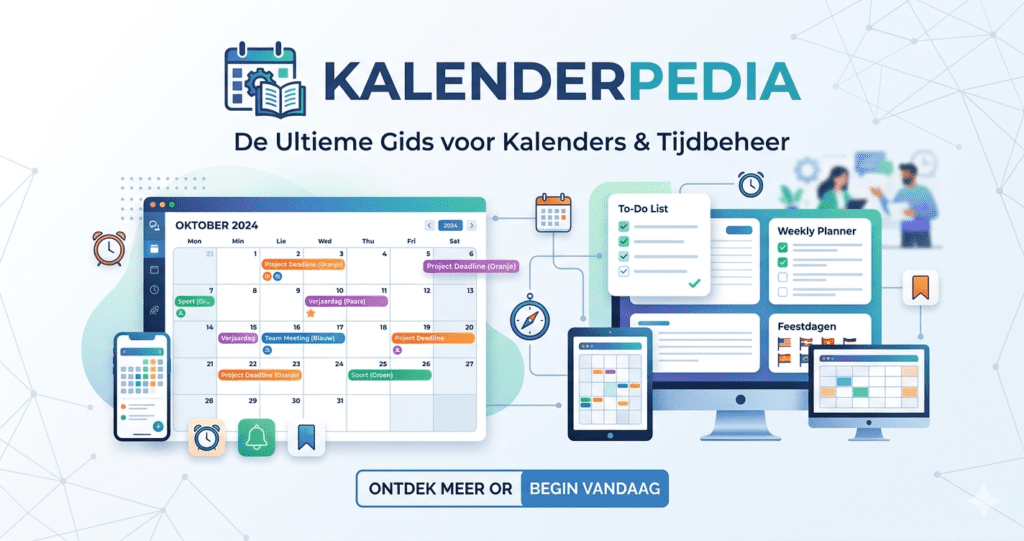
kalenderpedia
kalenderpedia

The Complete Guide to Kalenderpedia: A Deep Dive into Modern Calendar Knowledge, Planning Systems, and Digital Time Organization

The concept of kalenderpedia has become increasingly relevant in today’s fast-paced digital world where time management, planning, and scheduling are more important than ever. At its core, kalenderpedia represents a structured way of understanding calendars, dates, holidays, and time-related data in an organized, educational, and accessible format.

In simple terms, kalenderpedia functions like a knowledge hub for everything related to calendars—ranging from yearly planners and printable schedules to historical date systems and international holidays. It is widely used by students, professionals, educators, and productivity enthusiasts who rely on structured time systems to stay organized.

The modern digital era has transformed how people interact with calendars. No longer are calendars just wall hangings or desk planners; instead, they are interactive tools that integrate with devices, apps, and cloud systems. Within this transformation, kalenderpedia has become a symbolic term representing structured calendar knowledge combined with usability and accessibility.

One of the most important aspects of kalenderpedia is how it simplifies complex time structures into easy-to-understand formats. Whether it is a school timetable, business schedule, or international holiday calendar, the idea behind kalenderpedia is to make time understandable and usable for everyone.

Beyond practicality, kalenderpedia also reflects how humans perceive time itself. It connects cultural, religious, and social events with structured dates, helping people stay aware of important global and local events in a unified system.

The growing reliance on digital planning tools shows that kalenderpedia is not just a concept but part of a larger movement toward better organization and productivity in everyday life.

The Origin and Evolution of Kalenderpedia Systems

The idea behind kalenderpedia did not emerge overnight. It evolved from ancient calendar systems that were used to track seasons, agricultural cycles, and religious events. Early civilizations like the Egyptians, Romans, and Chinese developed complex timekeeping systems that laid the foundation for modern calendars.

Over time, these systems were standardized into the Gregorian calendar, which is widely used today. As societies advanced, the need for structured calendar information grew, leading to digital platforms and educational resources that resemble what we now refer to as kalenderpedia.

In the digital age, kalenderpedia has expanded into online databases and printable resources that provide yearly calendars, monthly planners, and detailed date breakdowns. This evolution has made it easier for people to access structured calendar information instantly.

A useful perspective is summarized in the quote:

“Time becomes powerful only when it is organized, understood, and used intentionally.”

This idea perfectly reflects the philosophy behind kalenderpedia and its modern applications.

Another important evolution is the integration of technology. Calendar systems are now embedded in smartphones, computers, and productivity software, allowing users to synchronize events across multiple platforms. Kalenderpedia-like systems play a crucial role in standardizing this information.

As digital transformation continues, kalenderpedia has also adapted by offering more customizable and user-friendly formats, making it easier for individuals and organizations to manage their schedules efficiently.

Key Features That Define Kalenderpedia Platforms

Modern kalenderpedia systems are built around functionality, clarity, and accessibility. One of their most important features is structured yearly and monthly calendar layouts that allow users to visualize time effectively.

These platforms often include public holiday listings, week numbers, seasonal markers, and even moon phases depending on regional requirements. This makes them highly valuable for both personal and professional planning.

Another essential feature is printable calendar formats. Many users prefer downloadable PDFs or editable templates that allow customization for school schedules, business planning, or personal goal tracking.

Below is a simple table illustrating common features found in kalenderpedia-style systems:

FeatureDescriptionUsage
Yearly Calendar ViewDisplays full year at a glanceLong-term planning
Monthly LayoutFocuses on one monthDetailed scheduling
Holiday MarkersShows public holidaysEvent planning
Printable FormatsPDF or editable templatesOffline use
Week NumbersNumbered weeks in yearBusiness planning

A major advantage of kalenderpedia systems is their adaptability. Whether someone is planning academic semesters, business meetings, or travel schedules, these tools can be customized to fit different needs.

As one productivity expert once said:

“A well-structured calendar is the backbone of disciplined living.”

This highlights how essential calendar organization has become in modern life.

Another defining feature is multilingual and multicultural adaptability. Since different countries follow different holiday systems and cultural calendars, kalenderpedia platforms often include region-specific data to ensure accuracy and relevance.

Overall, these features make kalenderpedia a powerful tool for structured time management and efficient planning.

How to Use Kalenderpedia Effectively for Daily Productivity

Using kalenderpedia effectively requires understanding how to integrate it into daily routines. The first step is identifying personal or professional goals and aligning them with a structured calendar layout.

For example, students can use monthly layouts to track exams and assignments, while professionals can use weekly views to manage meetings and deadlines. This helps create a balanced workflow that reduces stress and improves efficiency.

Another important strategy is color coding. By assigning colors to different categories such as work, personal tasks, and health activities, users can quickly interpret their schedules without confusion.

Kalenderpedia tools also support long-term planning, which is essential for goal setting. Instead of focusing only on daily tasks, users can visualize weeks and months ahead, helping them stay consistent and organized.

One practical insight often shared by productivity coaches is:

“Planning your time is not about filling every moment, but about making space for what truly matters.”

This philosophy aligns closely with how kalenderpedia systems are designed to function.

Integration with digital tools is another key advantage. Many users sync calendar data with mobile apps to receive reminders and notifications, ensuring they never miss important events.

Over time, consistent use of kalenderpedia leads to better discipline, improved time awareness, and reduced procrastination.

Kalenderpedia in Education, Business, and Personal Planning

In education, kalenderpedia plays a crucial role in academic scheduling. Schools and universities rely on structured calendars to manage semesters, exams, holidays, and extracurricular activities. Students benefit from clear timelines that help them prepare effectively for academic responsibilities.

In the business world, kalenderpedia systems are equally important. Companies use structured calendars to schedule meetings, manage projects, and track deadlines. This improves team coordination and ensures that tasks are completed on time.

For personal planning, kalenderpedia offers a simple yet powerful way to organize daily life. From birthdays to travel plans, everything can be structured in a single system, reducing confusion and increasing efficiency.

One of the key strengths of kalenderpedia is its flexibility across different environments. Whether used in classrooms, offices, or homes, it adapts to user needs without complexity.

Another advantage is collaboration. Shared calendars allow teams and families to coordinate schedules easily, reducing miscommunication and improving productivity.

In essence, kalenderpedia bridges the gap between structured planning and everyday life, making time management more accessible to everyone.

Digital vs Printable Calendar Systems with Comparison Insights

The debate between digital and printable calendars is ongoing, and kalenderpedia systems often support both formats. Each has its own advantages depending on user preference and usage style.

Digital calendars offer real-time synchronization, reminders, and accessibility across devices. Printable calendars, on the other hand, provide a tangible way to visualize plans without relying on screens.

Here is a comparison table for better understanding:

AspectDigital CalendarPrintable Calendar
AccessibilityMulti-device accessPhysical copy only
FlexibilityHigh customizationFixed layout
RemindersAutomatic alertsManual tracking
PortabilityCloud-based accessEasy to carry print
Visual PlanningInteractive interfaceFull-page overview

Kalenderpedia systems often combine both approaches, allowing users to choose based on their needs.

Digital systems are ideal for fast-paced environments where updates happen frequently, while printable versions are better for static planning and offline use.

A common observation among users is:

“Digital tools keep you updated, but paper keeps you grounded.”

This balance is what makes kalenderpedia versatile and widely used.

Ultimately, the choice between digital and printable depends on personal workflow preferences and lifestyle habits.

SEO Value and Online Importance of Kalenderpedia Content

From an online visibility perspective, kalenderpedia has strong SEO potential because it is closely related to evergreen topics such as calendars, holidays, and scheduling tools.

Search engines prioritize structured, informative content that provides clear answers, and kalenderpedia-related topics naturally fit this requirement. This makes it a valuable keyword cluster for educational and productivity websites.

Content that focuses on kalenderpedia often ranks well because users consistently search for calendar templates, yearly planners, and holiday schedules throughout the year.

Another important SEO factor is keyword relevance. Related terms such as “yearly calendar,” “printable planner,” “monthly schedule,” and “holiday list” strengthen content authority and improve search rankings.

Websites that provide high-quality kalenderpedia resources often gain long-term traffic due to evergreen demand.

Additionally, user engagement increases when content is structured, visually clear, and easy to navigate, which aligns perfectly with kalenderpedia-style formatting.

Practical Real-Life Uses of Kalenderpedia in Everyday Life

Kalenderpedia is not just a digital concept; it has real-life applications that make daily routines smoother and more organized. One of the most common uses is personal time management, where individuals plan daily tasks and long-term goals.

Travel planning is another major use case. By organizing travel dates, booking schedules, and itineraries, users can avoid last-minute confusion and ensure smooth experiences.

Families also benefit from structured calendars to track birthdays, anniversaries, and important events. This helps maintain strong social connections and improves communication.

In professional environments, kalenderpedia systems are used for project tracking, meeting coordination, and deadline management, ensuring teams stay aligned.

A useful reflection often shared in productivity discussions is:

“Time management is not about doing more, but about doing what matters most.”

Kalenderpedia supports this philosophy by providing clarity and structure in everyday life.

Even simple routines like meal planning, fitness tracking, and study schedules can be improved using structured calendar systems.

The Future of Kalenderpedia and Digital Scheduling Systems

The future of kalenderpedia is closely tied to advancements in digital technology and artificial intelligence-driven planning systems. As automation becomes more common, calendars are expected to become even more intelligent and predictive.

Future systems may automatically adjust schedules based on user behavior, priorities, and workload. This will reduce manual planning and improve efficiency.

Integration with wearable devices and smart assistants will further enhance accessibility, allowing users to manage schedules through voice commands and real-time updates.

Another emerging trend is personalized calendar intelligence, where systems learn user habits and suggest optimized time slots for productivity.

Kalenderpedia will likely continue evolving into a more interactive and adaptive system, blending education, productivity, and automation into a single platform.

The ultimate goal of future calendar systems is to make time management effortless, intuitive, and deeply personalized.

Conclusion

Kalenderpedia represents more than just a calendar concept—it is a complete approach to understanding, organizing, and optimizing time. From education and business to personal planning, it plays a vital role in modern life.

Its evolution from traditional calendars to digital and hybrid systems shows how deeply humans rely on structured time management. By combining clarity, accessibility, and adaptability, kalenderpedia continues to shape how people interact with time.

As technology advances, its importance will only grow, making it an essential part of productivity, organization, and daily planning across the world.

FAQ

What is kalenderpedia used for in daily life?

Kalenderpedia is used for organizing schedules, tracking events, and planning daily, weekly, or yearly activities in a structured format that improves productivity and time management.

How does kalenderpedia help with productivity?

Kalenderpedia helps by providing clear visual planning tools that allow users to manage tasks, set goals, and avoid missed deadlines through structured time organization.

Is kalenderpedia more useful than traditional calendars?

Kalenderpedia offers more flexibility and detail compared to traditional calendars, especially when used in digital or customizable formats for modern scheduling needs.

Can businesses benefit from kalenderpedia systems?

Yes, businesses use kalenderpedia-style systems to manage meetings, deadlines, and project timelines efficiently, improving coordination and workflow management.

 Sparkasse Gelsenkirchen